The province proposes expanding strong mayor powers to the heads of councils in another 169 municipalities.
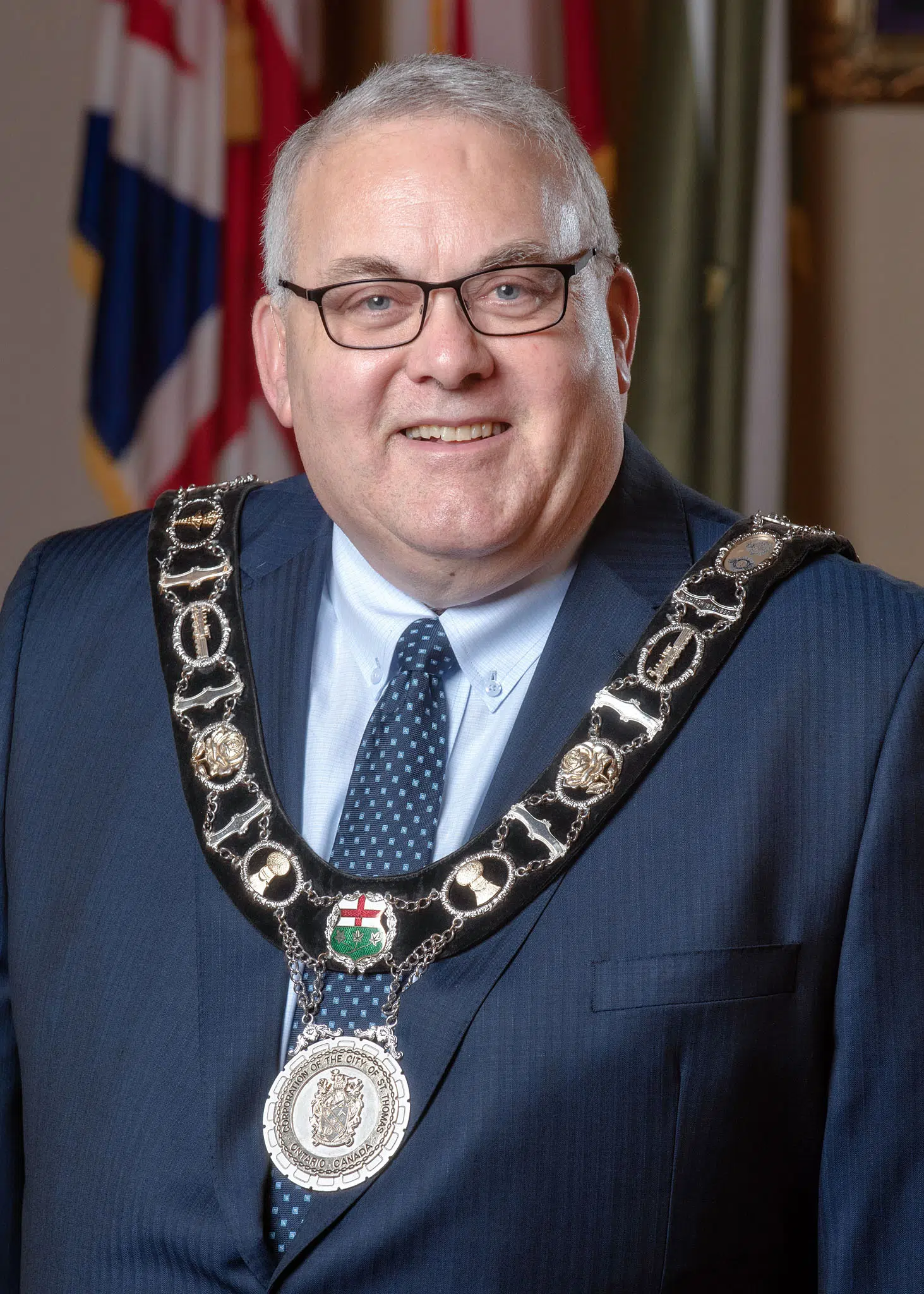
This would include St. Thomas and myFM spoke with Mayor Joe Preston on whether such powers are necessary at this time or in the foreseeable future.
Rob Flack, Minister of Municipal Affairs and Housing explained in a media release, “By extending strong mayor powers to these additional municipalities, we are providing mayors with every tool at our disposal to empower them to get homes and infrastructure built faster.”
The powers touch on area like hiring, appointing a CAO, budgetary matters, proposing and vetoing bylaws and the creation of committees.
Preston suggested he hopes to never have to use the strong mayor powers.
The intent of the powers is to streamline local governance and help ensure municipalities have the necessary tools to reduce obstacles hindering new housing and infrastructure development.
Preston praised members of city council for working co-operatively on these issues.
Flack added, “Heads of council are key partners in our efforts to build homes and infrastructure across the province.”
Preston pointed out, “We have a council that gets stuff done because it agrees with the direction of the city.”
The new strong mayor powers would be effective May 1 and, in addition to St. Thomas, they would be extended to Aylmer, Central Elgin and Malahide.
-
Choosing to appoint the municipality’s chief administrative officer.
-
Hiring certain municipal department heads and establishing and reorganizing departments.
-
Creating committees of council, assigning their functions and appointing the chairs and vice-chairs of committees of council.
-
Proposing the municipal budget, which would be subject to council amendments and a separate head of council veto and council override process.
-
Proposing certain municipal by-laws if the mayor is of the opinion that the proposed by-law could potentially advance a provincial priority identified in regulation. Council can pass these bylaws if more than one-third of all council members vote in favour.
-
Vetoing certain by-laws if the head of council is of the opinion that all or part of the by-law could potentially interfere with a provincial priority.
-
Bringing forward matters for council consideration if the head of council is of the opinion that considering the matter could potentially advance a provincial priority.
Written by Ian McCallum