Growing Up on the Farm, a look into local agriculture, presented by Briwood Farm Market, also fueled by KUBOTA. Today we are profiling Cedarview Farm.
That land has been rented out to neighbours for the past 20 years.
The farm was originally owned by Darren’s grandparents and then his father took over with 40 sows.
In 1994, a new barn was constructed and the number of sows increased to 176. The following year the barn was extended and the operation increased to 550 sows.
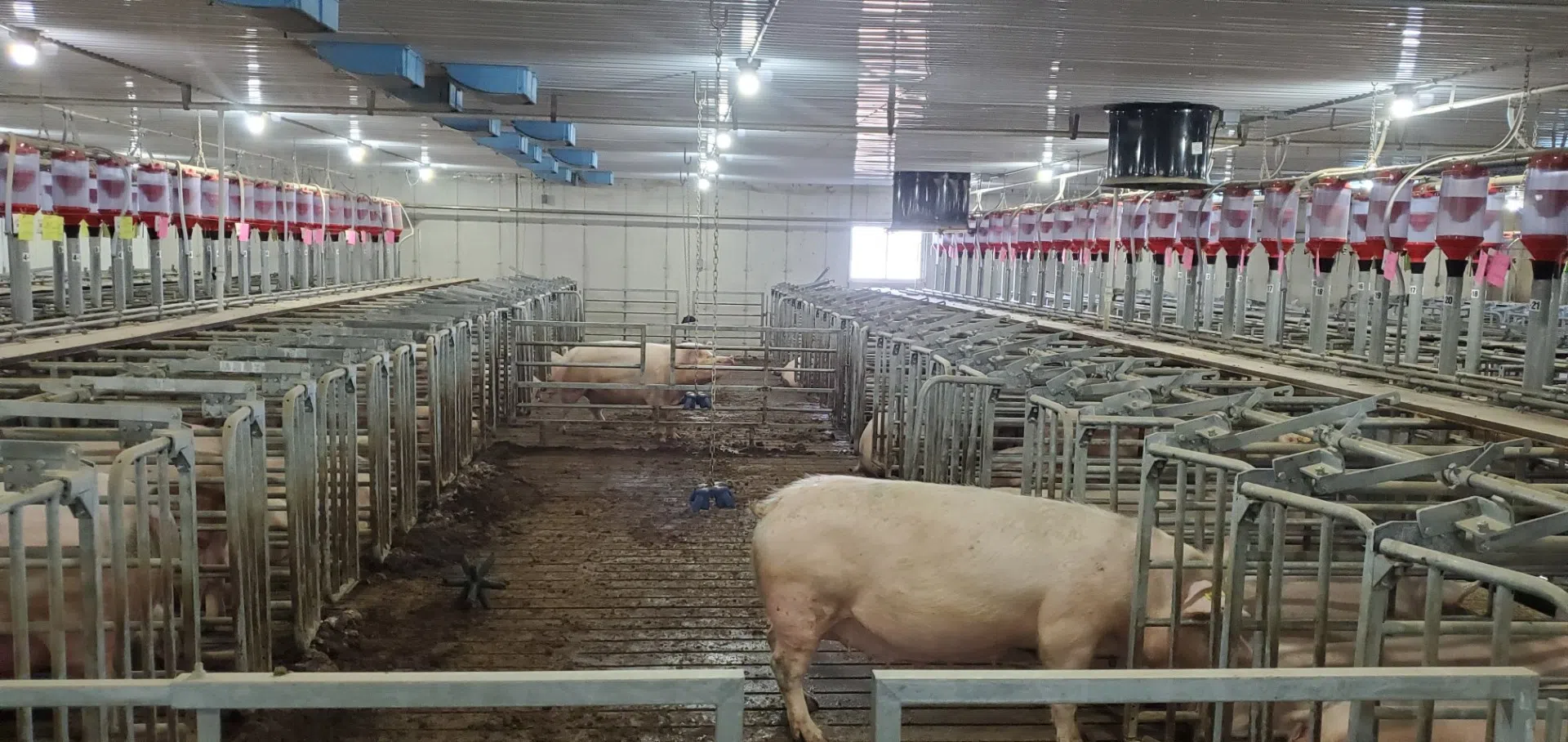
Generally the sows are kept for three or four year and produce six to nine litters.
As Darren explains it, “we’re a big maternity ward.”
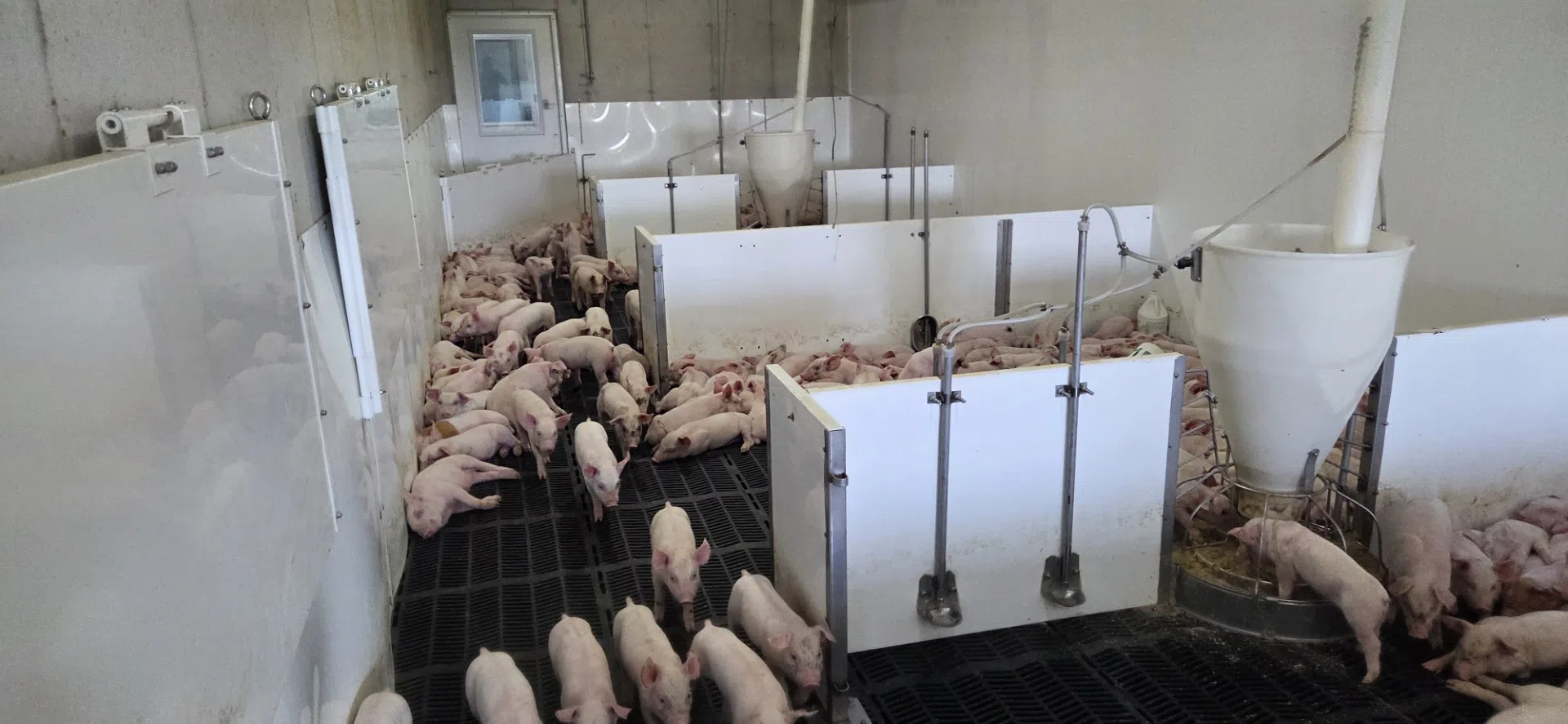
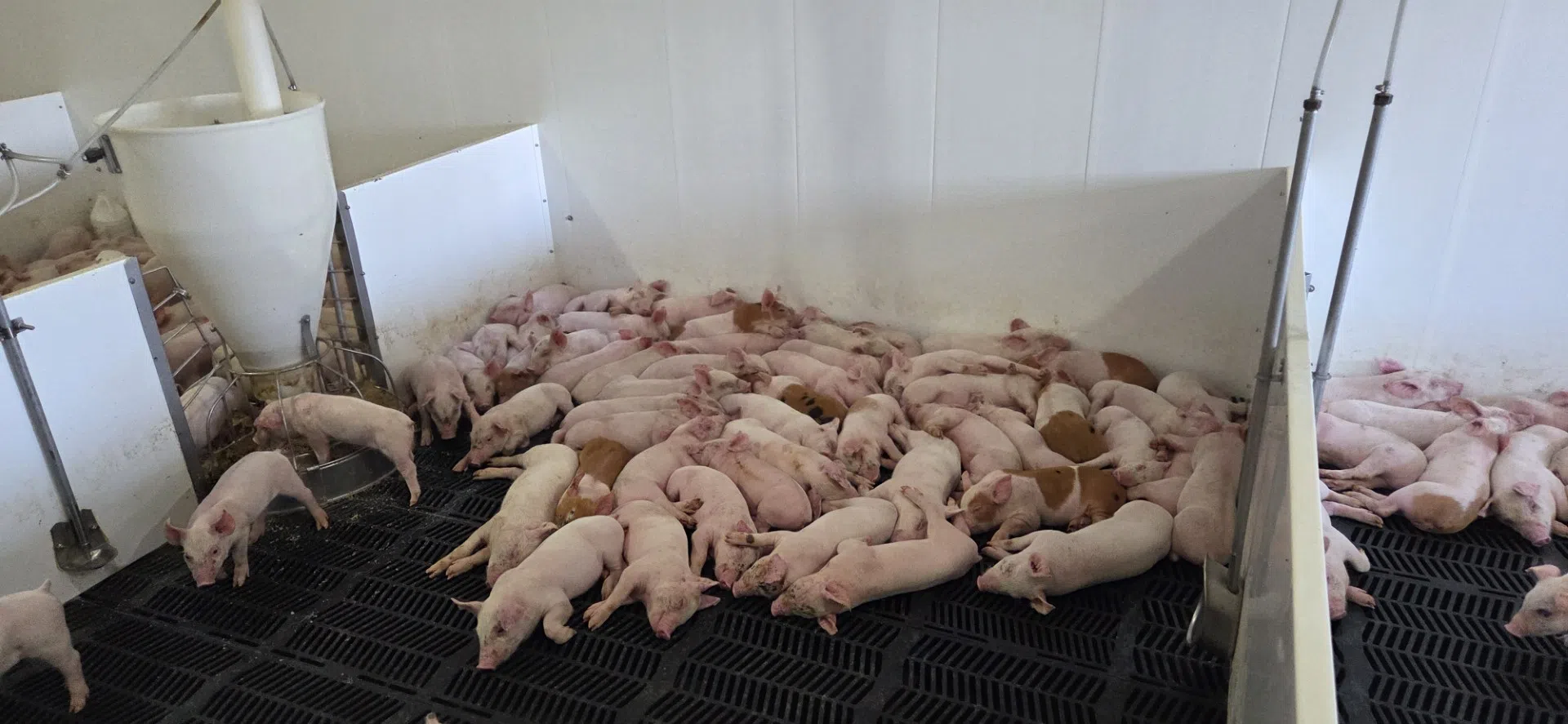
He continued, “We’ve just got the moms and we get them bred. And the piglets we get were about 19 to 21 days old when they go out the door to the gentleman that owns the nursery farm. And then he’s got a nursery farm and finishing barns where he does the rest of the process.”
We asked Darren how susceptible the sows are to diet and temperature changes.
“Your genetics nowadays are basically set up for piglet production. So I think there’s probably some, like, resiliency that’s been lost in them being able to handle extremes in, like, weather and whatnot.
“We’ve designed these things for meat production, essentially. So, yeah, we’re very much trying to keep the temperature and the air and the food very consistent so that you get a good quality product at the end of the day.”
As for genetics, Cedarview Farm deals with a Duroc-Landrace-Yorkshire cross, explains Darren.
“There are several different genetics companies and they’ve all found genetic qualities that they like from certain animals that are producing the quality of meats that we’re trying to provide to the consumer. So those would be the three main ones, I guess I would say.”
Expanding from 40 to 1,300 sows over the years, will the operation at Cedarview Farm continue to expand into the future?
“Well, right now, we’re just trying to get the maximum efficiency out of what we’re doing currently. So when we expanded this operation, then you had to expand the amount of labor you needed. And you’ve got to get those people trained.
“So right now, the production in the barn is doing quite well, but it’s taken us the last four years to get to that point. So right now, we’re just trying to keep that rolling well, I guess. So we don’t have a future expansion plan at this point in time.”
You can listen to some of our interview with Darren Sloan below.
Written by Ian McCallum