It’s Briwood Farm Market Growing Up On The Farm; local families building the future of agriculture – one generation at a time . . . fueled by Kubota.
Today we are looking at Fentie Farms . . . presented by Advance Motorsports.
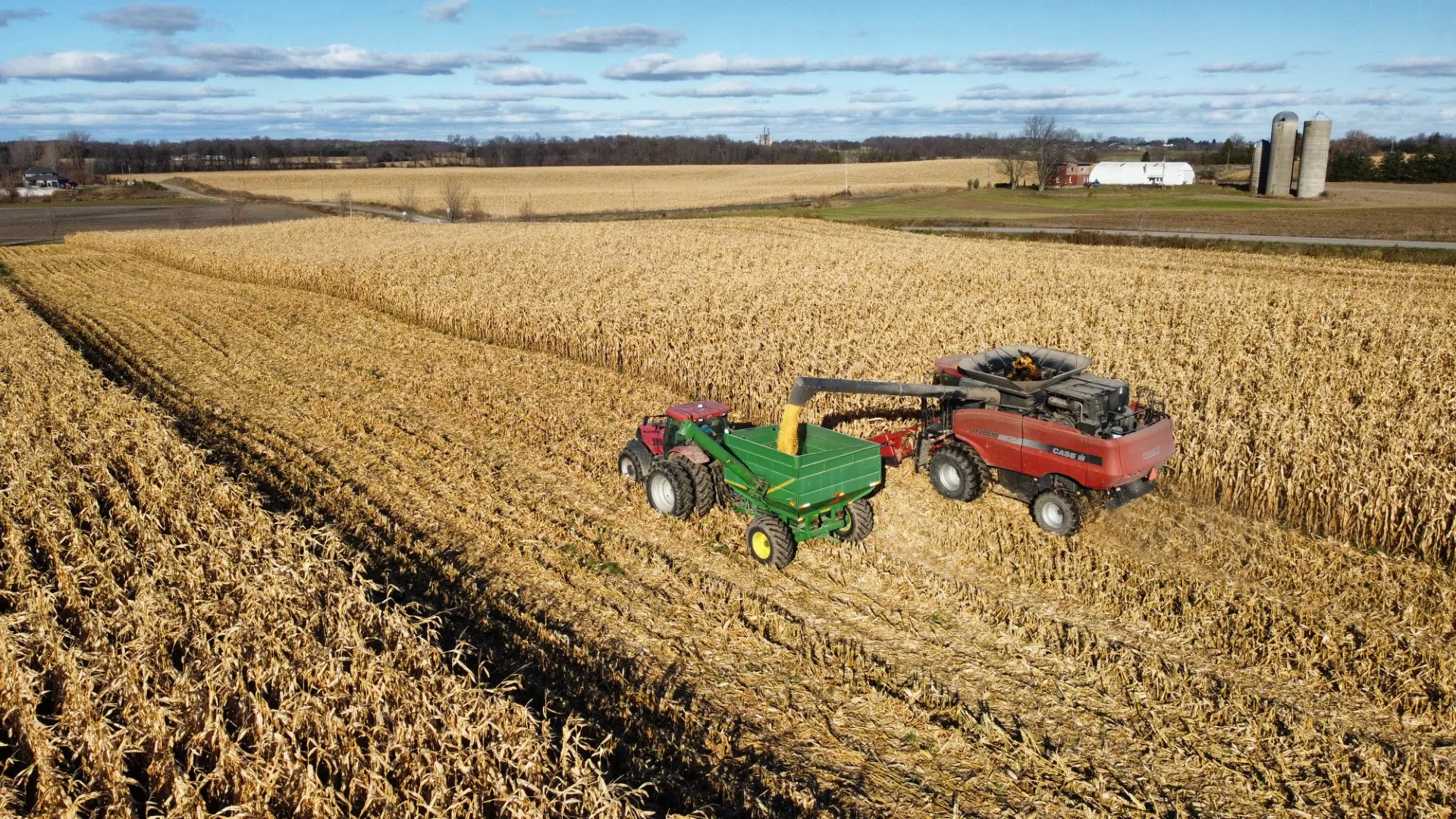
Greg Fentie, a fifth generation farmer runs a dairy operation and grows grain crops on his farm near Springfield.
He doesn’t like to leave things to chance so, wherever possible, he collects data on factors like the weather, soil condition and yield and how well his cows are milking.
We asked Fentie about the changing weather and the impact on the growing season at his farm.
“I would say that there is a longer growing season now, than there used to be. And we do probably grow a higher heat unit corn than my dad would have grown back in the day. We have to be ready for adverse weather patterns. We tend to see a larger, more aggressive rains events, followed by more periods of dry days in between.
“Before you might have seen a half inch of rain, once or twice a week over the summer, now you see one big rain of an inch, once a week.”
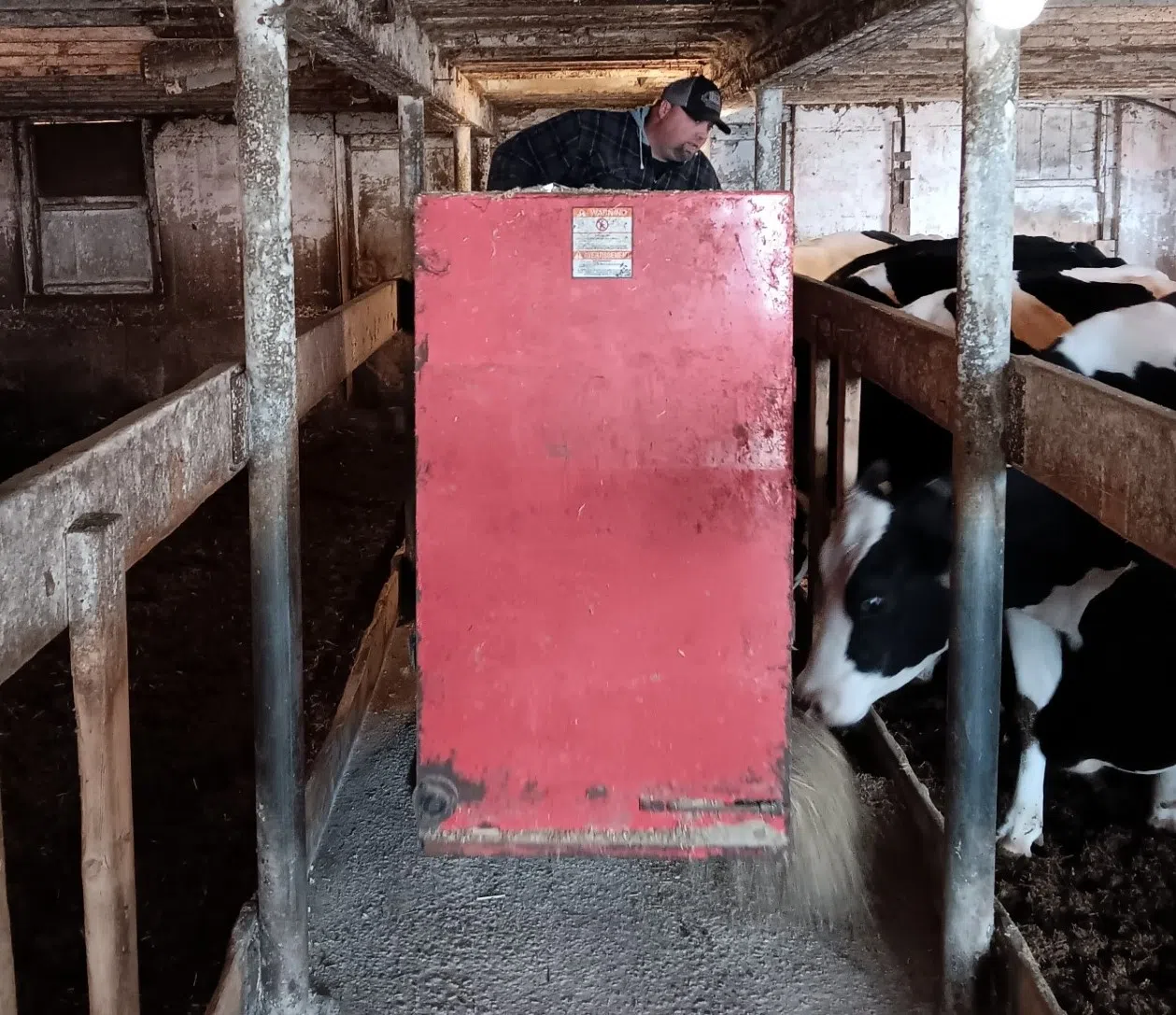
As for his dairy operation, Fentie has over 50 milking cows for which he relies heavily on the data produced by the robotic milking system.
“There’s 54 cows milking in the barn, but that could change any day. There’s a total of 120 head on the farm. We do the odd beef-cross as well.”
Thanks to his robotic milking, Fentie insisted he is a better farmer.
“I’m getting more milk, I would say I am more attentive to their needs because it is all right here in front of me in an easy-to-understand way and the cows are happier. By every measure, it’s making me a better farmer.”
Allowing him to make better educated decisions based on what Fentie called his “management tools.”
Two of his three children are involved in their own way through the raising of a calf which Fentie advised will teach them about the commitment involved in looking after an animal.
“They buy it off me in the spring of one year and they will raise it for a year which we will sell the following spring. They will sell that and the money goes into their account and they take the money and buy a new calf and they carry on, repeating the process.
“They’ve made a few dollars doing that and they’ve learned the value of hard work and the commitment to looking after animals. That’s a really neat experience, specific to my farm.”
Having data readily available on his computer in the barn is a far cry from how the milking used to operate.
“I used to take a piece of paper and I wrote down every cow on there and whether she was pregnant, bred and whatever and I would update that once a month. That was annoying, but that was the way I was keeping track of things.”
You can hear an extended interview with Greg Fentie below.
Written by Ian McCallum