Halloween may be fun for families, but the costumes, doorbells, and candy can create some real risks for pets.
Veterinarian Dr. Carleigh Cathcart says owners should think ahead about how their animal normally reacts to strangers and sudden activity.
For dogs that become nervous or excited when people arrive, Cathcart says the safest option may be giving them their own quiet space away from the front door.
That can also reduce the chance of a pet slipping outside while trick-or-treaters are coming and going.
Cathcart says owners of animals with more serious anxiety can speak with their veterinarian ahead of Halloween about possible treatment options. Because Halloween happens at a predictable time, she says medication can sometimes be given before the busiest part of the evening.
Costumes can create another concern. Owners should make sure anything worn by a pet fits properly and does not include loose pieces that could be chewed or swallowed. Animals should also be watched for signs they are becoming uncomfortable or stressed.
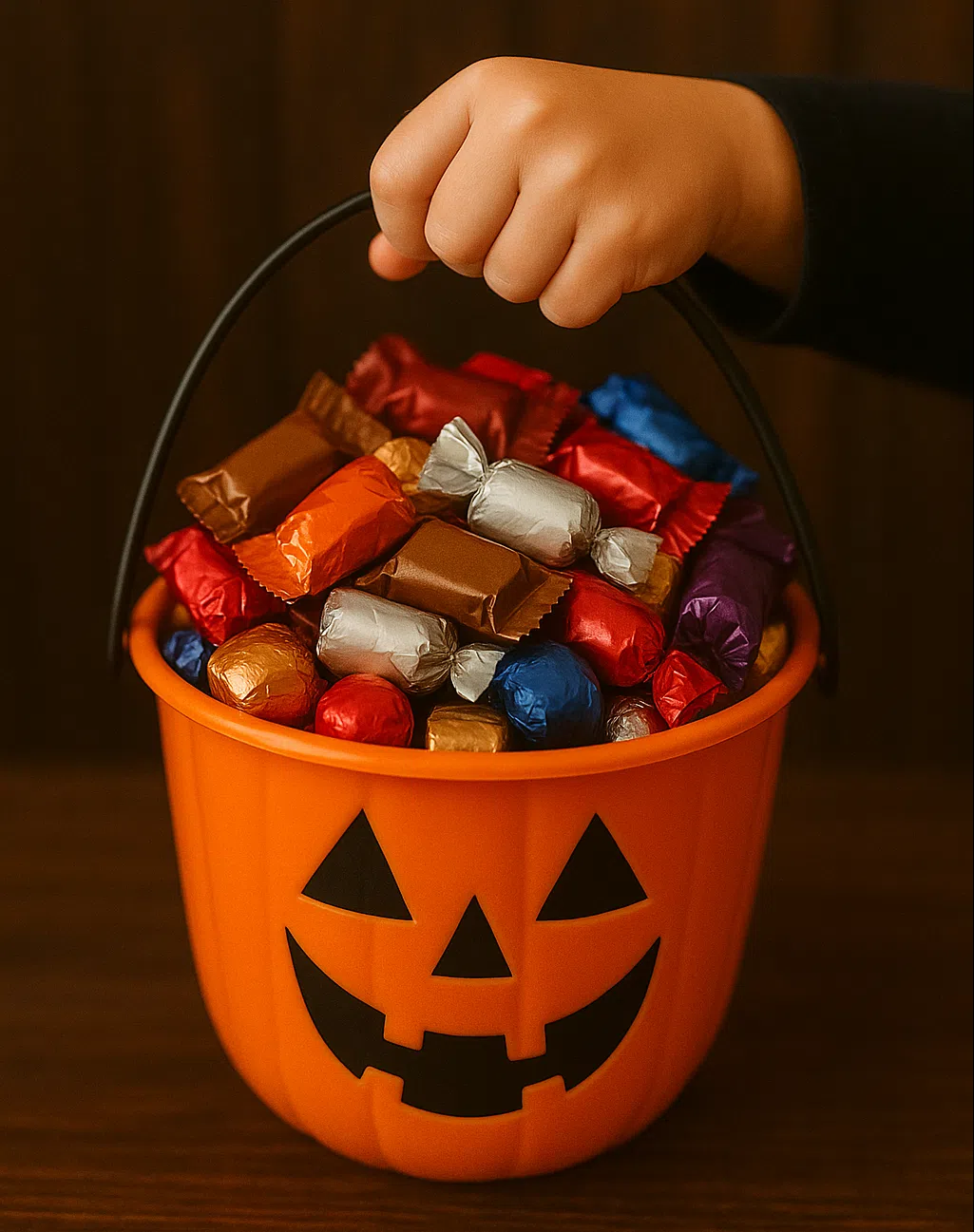
Candy remains one of the biggest hazards.
Cathcart says chocolate is not the only concern. Sugar-free products containing xylitol can be particularly dangerous for dogs.
Very fatty foods can also cause serious stomach problems, including pancreatitis.
Cathcart says pet owners should contact their veterinarian or a pet poison service if they believe an animal has eaten something potentially harmful.
Her main advice is simple: Halloween should still be enjoyable, but pets need a safe space and treats meant specifically for them.