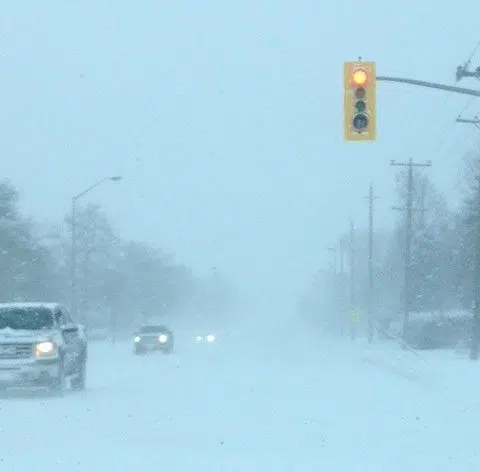
In case you missed it: Environment Canada’s weather alerts are now colour-coded to help people understand how serious the weather could be and what actions to take.
Every alert—whether a Warning, Advisory, or Watch—will show a colour that indicates the level of risk. The colours go from yellow to orange to red, with yellow showing moderate risk, orange showing high risk, and red showing very dangerous, life-threatening conditions.
A yellow alert means the weather could cause some damage or health impacts. Effects are usually short-term and limited to certain areas.
For example, a yellow wind warning might cause small tree branches to break, minor power outages, or a risk of injury from flying debris.
An orange alert signals more severe weather that could lead to major damage, widespread disruption, or health risks lasting a few days. Orange wind warnings could bring roof damage, larger trees snapping, more widespread power outages, and higher risks from flying debris.
A red alert is rare but indicates extremely dangerous weather that could be life-threatening. Red wind warnings could cause structural damage, long-lasting power outages, widespread tree damage, and a high risk of injury from debris.
Weather impacts can vary depending on location, timing, and population, so the colour shows the level of risk in your area. It is important to always read the full weather alert, which includes instructions and actions to stay safe.
For forecasts and alerts, people can use the WeatherCAN mobile app or the Weather Information map, and follow guidance from Public Safety Canada.
Written by: K. Milhomens