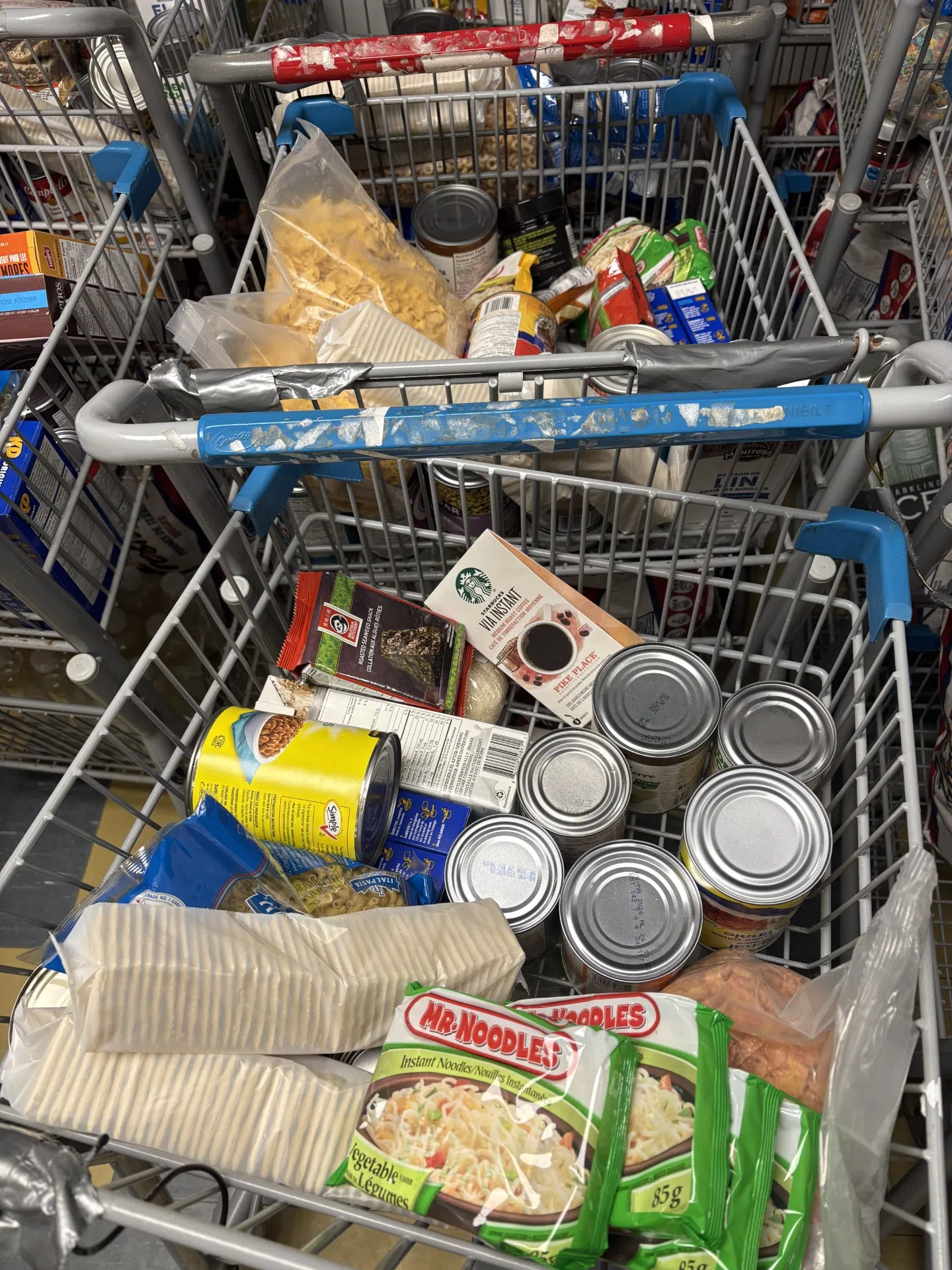
One in four households across Southwestern Ontario struggled to put food on the table last year, prompting local public health officials to call for action on what they say is a growing affordability crisis.
Public health units across the region, including Southwestern Public Health, say rising housing and living costs are leaving more families unable to consistently afford enough food.
According to new data from Public Health Ontario, one in four households in Southwestern Ontario experienced household food insecurity in 2024, meaning they did not have reliable access to enough food because of financial challenges.
Health officials say the issue goes beyond hunger. Food insecurity has been linked to poorer physical and mental health, a higher risk of chronic disease and increased strain on the health-care system. For children and youth, it can also affect concentration, memory, mood and learning at school.
Southwestern Public Health Medical Officer of Health Dr. Ninh Tran says more people are being forced to make impossible decisions.
“More people across our region are being forced to make difficult choices about which basic needs they can afford—and too often, food is one of the first things cut. That has real consequences for physical and mental health. Addressing household food insecurity means ensuring people have enough income to meet their basic needs.”
Public health officials say the problem is rooted in inadequate income rather than budgeting or food skills.
Their latest affordability analysis found a single adult receiving Ontario Works in Southwestern Ontario cannot afford both rent and food, facing monthly shortfalls ranging from $301 to $859, depending on where they live. Many other low- and modest-income households are also left with little or no money after paying for rent, transportation, utilities and other essential expenses.
The region’s public health units are urging governments to increase social assistance rates, improve income supports for low- and modest-income households and introduce policies that reduce housing and other living costs.
What you can do: Everyone has a role to play in addressing household food insecurity.
• Learn more about how income impacts access to food through Ontario Dietitians in Public Health’s Call to Action on Household Food Insecurity (2026)
• Engage local elected officials in discussions around income-based solutions
• Support community organizations (e.g., volunteering, donations), while recognizing that food programs alone cannot solve this issue
Written by: Kennedy Freeman